When She Realized She Didn’t Need To Be The Strong One All The Time
Women reflecting on moments when vulnerability became their real power.



Women reflecting on moments when vulnerability became their real power.
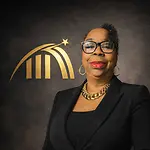
There was a moment I realized I didn't have to carry everything alone. Letting myself ask for help felt both scary and liberating. Vulnerability didn't make me weak—it deepened my relationships, allowed others to show care, and taught me that true strength sometimes lies in leaning on others. Which gave me the consistency, faith, determination, and the choice to never quit.

I learned many years ago that it was perfectly acceptable to ask questions and seek help. I realized that if I remained silent, I would be perpetually at a disadvantage. This realization was particularly pertinent when my husband decided to file for divorce in 2017. I had to acknowledge to myself that I didn't always have to be strong and that I could ask for support.

Letting my guard down was one of the hardest things I had to learn. After 27 years in the military in the capacity of senior leader letting your guard down was not an option. I was trained to not to be afraid and work through the pain no matter what. During Covid I was diagnosed with an aneurism that was 7.2 centimeters large. Surgery was needed immediately and all I could think of was that I was going to be alone through this whole process. That is when I realized I was scared and alone and it was ok to feel all that. I was in the process of retiring and realized I was done, done acting tough, done suppressing my feelings and my pain. At that moment I felt stronger than ever and I cried and let anyone who would hear me know I was scared and concerned. As crazy as it sounds I felt free at that moment and I knew I was going to be alright and stronger than ever before.
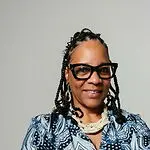
After not finishing High School as scheduled, due to having three children at a young age, I used determination and my faith to go back to school and obtain my GED, Associates in Criminal Justice, CNA certification, Associates in Business Administration, Bachelor's in Criminal Justice, continuing education courses, and Masters of Divinity/Chaplaincy. This did not happen without challenges and sometimes wanting to give up, but I let my guard down and sought the help of God and a support system so I could be successful. I also accepted my calling in ministry and use every opportunity in spreading the Word of God to all who will accept Him. I realized that I had more strength than I knew. I am not a quitter but more than a conqueror.

For a long time, being "the strong one" felt like survival. I learned early how to carry responsibility, make things work, and keep moving, especially when no one else could. That strength built my career, but it also taught me to lead alone. The shift came when I realized that strength without support eventually turns into isolation. Allowing myself to ask for help didn't feel empowering at first; it felt uncomfortable, exposing, and unfamiliar. I had to unlearn the belief that needing support meant I was failing or losing credibility. Letting my guard down changed how I experienced my relationships. It created room for honesty instead of performance, partnership instead of self-sufficiency. I learned that vulnerability doesn't weaken leadership; it deepens it. It invites trust, shared ownership, and more sustainable ways of showing up. Today, I understand strength differently. Strength isn't always carrying the weight; it's knowing when to set it down and allowing others to help you carry it forward.

When I think back, strength was never in question, but I didn't always fully understand how to use it. Early on, strength meant endurance, showing up, pushing through, handling whatever came my way. It worked, but it wasn't always intentional, and it often required more of me than it needed to. What changed over time was my understanding of how to use that strength with intention. Earlier in my career, I relied heavily on instinct and perseverance, figuring things out as I went and trusting that grit would carry me through. While that approach built resilience, it also came at a cost. The real shift happened when I learned to walk into rooms not just with confidence, but with clarity, tools, boundaries, and strategy. Strength stopped being about how much I could absorb and started being about how deliberately I moved. I realized that resilience isn't only revealed in moments of pressure, it's demonstrated in how you enter them. Knowing your objective. Understanding the dynamics in the room. Deciding in advance what you will say yes to, what you will decline, and where you will hold the line. That is strength in practice. There were moments when I saw the difference clearly, difficult conversations that stayed productive, negotiations that didn't drain me, leadership decisions that felt firm without being reactive. I wasn't proving my strength anymore, I was directing it. True resilience, I've learned, isn't just surviving hard moments. It's meeting them with intention, strategy, and self-respect. That's when strength becomes sustainable and powerful.

For years, I believed that strength meant handling everything on my own, staying in control, and never showing vulnerability. But there came a moment in both my career and personal life when trying to hold everything together became exhausting, and I realized it was not actually helping anyone. The first time I let my guard down and asked for support, it felt strange, almost uncomfortable, but also incredibly liberating. Allowing myself to be vulnerable shifted my relationships in meaningful ways. Colleagues, friends, and family responded with empathy, collaboration, and trust. Asking for help did not make me weaker. It allowed others to show up, strengthened our connections, and gave me a deeper understanding of resilience. That experience reshaped how I define strength. True strength is not about carrying everything alone. It is knowing when to lean on others, embrace support, and grow together.

All of my life I have had to rely on myself, as a child growing up in a broken home, parents who suffered from addiction, failed relationships. Letting my guard down and asking for support was both humbling and freeing. A reminder that I don't always have to do it alone even when it feels it's all I want to do. Being vulnerable deepened my relationships, it also reshaped my understanding of strength. I thank my children, my mentors and my friends for stepping in when I said, "It's ok, I can do it alone". Thank you for the reminder that not only I am not alone, but that I am highly favored and loved.

There was a moment in my career when I realized that being "the strong one" all the time was limiting my impact. I had built a reputation for handling pressure independently, but I reached a point where collaboration, not endurance, it was what the situation required. Allowing myself to ask for support didn't diminish my strength; it sharpened it. It deepened trust, strengthened relationships, and reframed strength as clarity and confidence, not isolation. I learned that strength isn't about being unbreakable, It's about being honest enough to share the weight, and wise enough to grow stronger because of it!

My current company and one of its subsidiaries were on the brink of collapsing after three years of operations. I knew that if I didn't seek out some type of assistance I wouldn't have a business any more. Then I remembered that I once was apart of the Women's business center a nonprofit dedicated to women entrepreneurs. I was reminded that it's okay to keep rebuilding a foundation after knocking it down just because it wasn't working. My advice to any struggling woman business owners, don't be afraid to keep a bulldozer nearby, you never know when you are going to need it. Just don't stop rebuilding it, because of jealously, envy, or being tired.

When someone told me that I "couldn't get anything right," that I would never succeed, it was my first job, and everything I had learned that day made me feel like I had wasted my time studying and putting in the effort. Later, I realized that this person was afraid of something that was never on my mind; I only wanted to learn. Those words, after hurting me, gave me the strength to move forward. It doesn't matter what others say or think of you; it's about committing to what you do and to yourself without stepping on others. It's about setting boundaries, protecting your dignity, and being professional. Being a leader is more than that; it's about teaching, guiding, and being open to others' opinions, because why not? Where there is teamwork, there is success in a career.

For most of my life, being "the strong one" felt like a badge of honor. I became a nurse at 17, built a high-stakes clinical career, led under pressure, and learned how to function at a level where people depended on me...constantly. Strength meant holding it together. Showing up. Not needing help. Until one day, I realized that my version of strength was costing me myself. I had to learn to choose myself more. After years of carrying responsibility, expectations, and emotional weight (both personally and professionally) I hit a moment where I could no longer pretend I was fine. The burnout wasn't loud at first. It was quiet. Subtle. Disguised as productivity and competence. Letting myself not be the strong one or pretending to be fine felt uncomfortable. Vulnerable. Even unsafe. But when I finally paused, when I allowed myself the permission to pause with grace not perfection, I discovered something unexpected: Strength and resilience didn't disappear. It evolved. Vulnerability didn't weaken my leadership. It refined it. It changed how I showed up in relationships, how I led teams, and how I made decisions. I learned that sustainable leadership requires space to breathe, reflect, and realign; not just push through. Today, I understand strength differently. It's knowing when to hold and when to release what no longer serves me. When to lead and when to receive. That shift didn't just restore me. It reshaped how I help other women and leaders stop suffering in silence and build lives and careers that don't require self-abandonment to succeed, now globally. Where in your life are you still being "the strong one," and what might become possible if you gave yourself permission to pause and receive support instead?

There was a season in my life when I thought being strong meant carrying everything quietly. Providing. Leading. Showing up. Smiling. Never letting anyone see the weight. And then one day… I couldn't. I was tired in a way sleep couldn't fix. I was overwhelmed in a way planning couldn't solve. And for the first time, I said out loud, "I need help." Not because I was weak. But because I was human. Letting my guard down didn't make me smaller. It made my relationships deeper. It allowed people to love me the way I had always loved them. It showed me that strength isn't found in how much you can carry alone — it's found in knowing when to let someone help you carry it. I also learned that strength comes when you let go of people and things that do not align with your vision. Vulnerability shifted my understanding of strength from performance to permission. Permission to rest. Permission to feel. Permission to not have it all together. And that is when I realized… I didn't always have to be the strong one.