White Sugar: The Silent Killer
Monk Fruit: A Sweet Escape From Sugar’s Deadly Effects

The Sweet Switch: How Monk Fruit Can Help You Ditch Dangerous White Sugar
Most of us don’t think twice about sugar. It’s in our morning coffee, our “healthy” yogurt, our favorite sauces, and our late-night snacks. It feels harmless, even comforting. But over time, that same sweetness can quietly wear down the body, showing up as stubborn belly fat, constant fatigue, blood sugar problems, and eventually conditions like diabetes and heart disease. For many people, white sugar acts like a silent killer—always present, rarely questioned.
When you consume a lot of white sugar, your blood sugar spikes quickly and then crashes, leaving you tired, irritable, and craving even more sugar. Your body has to pump out insulin repeatedly just to keep up. Over the years, this can lead to insulin resistance, weight gain, and a higher risk of serious conditions such as type 2 diabetes, fatty liver, and heart disease. What starts as “just a little treat” becomes an everyday habit your body struggles to handle.
The hard truth is that most of us are eating far more sugar than we realize. It hides in cereal, bread, salad dressings, flavored coffees, and “low-fat” products that trade fat for added sweetness. You may not sit down with a spoon and a sugar bowl, but you might still be consuming several teaspoons of sugar at nearly every meal. Your taste buds get used to that intense sweetness, making naturally sweet foods like fruit taste less exciting.
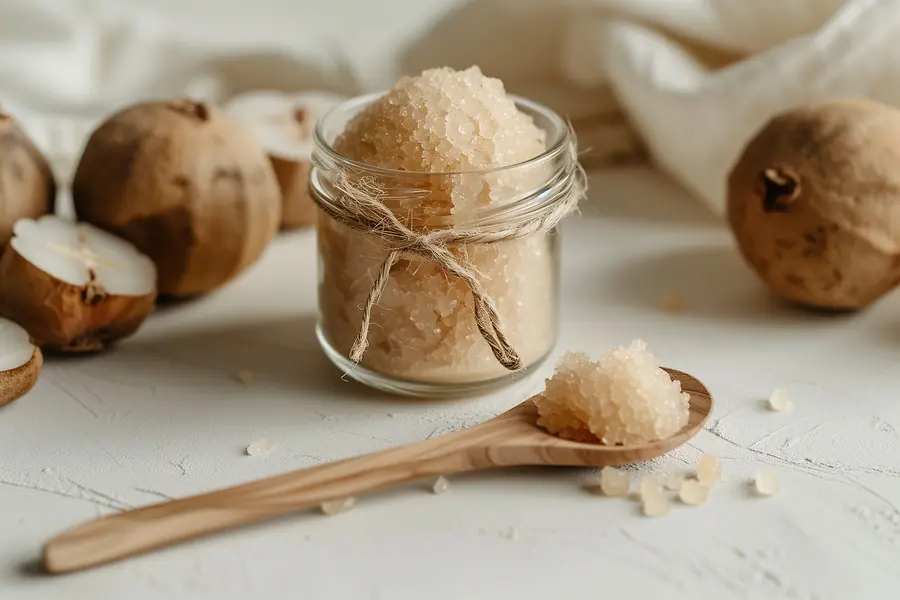
That’s where monk fruit can help. Monk fruit is a small, green, melon-like fruit that has been used for centuries in parts of Asia as a natural sweetener. Extracts from monk fruit are incredibly sweet, but they don’t add calories and don’t spike blood sugar the way white sugar does. You only need a tiny amount, and many people find it provides the sweetness they crave without the same “sugar hangover.”
Switching from white sugar to monk fruit doesn’t have to be complicated. You might start by using monk fruit in just one place: your morning coffee, your tea, or your oatmeal. Then you can gradually cut back sugar in other areas, such as baked goods or homemade sauces, replacing some or all of it with monk fruit. Over time, your taste buds adjust. Foods that once needed a lot of sugar begin to taste just right with less—or with a natural alternative.
This isn’t about never enjoying dessert again. It’s about protecting your future self: your heart, your blood sugar, your energy—by making more mindful choices today. White sugar will always be around, but it doesn’t have to be in charge. By reaching for options like monk fruit and reducing the constant stream of added sugar, you can keep the sweet moments in your life without letting them quietly damage your health.