Listening as a Leadership Competency, Not a Courtesy
Why attention and follow through define effective leadership

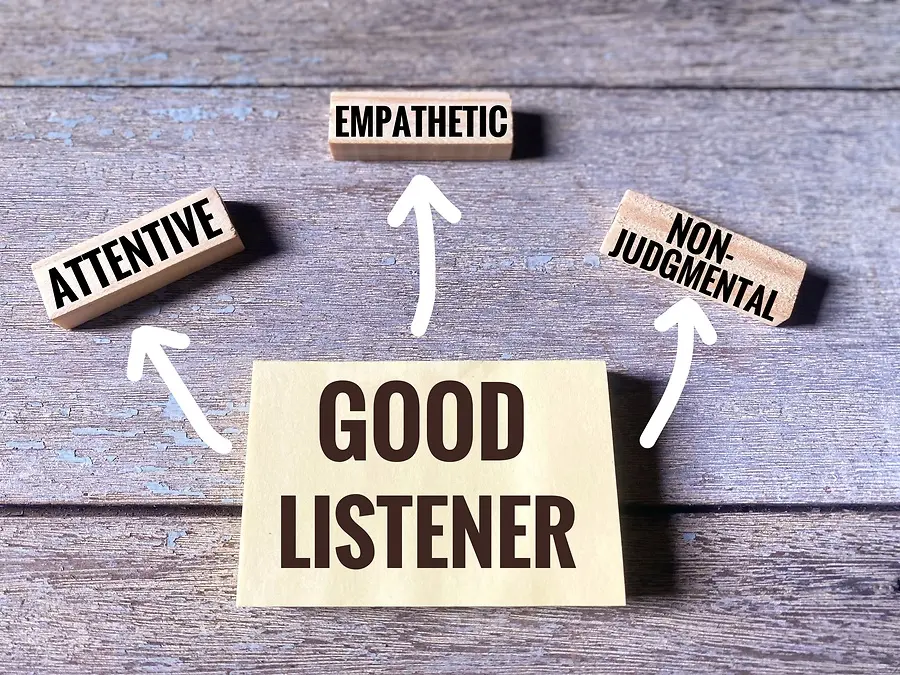
Listening is often framed as a soft skill—something polite leaders do to show approachability. In reality, listening is a core leadership competency. It directly affects decision quality, execution, trust, and long-term performance. When leaders treat listening as optional or symbolic, organizations pay the price in missed insights and avoidable risks.
Competent listening goes beyond hearing words. It requires attention, curiosity, and a willingness to consider perspectives that may challenge existing assumptions. Leaders operate from different vantage points than those closest to the work. When listening is practiced intentionally, it closes that gap. When it is absent, blind spots widen.
Many organizational failures do not stem from a lack of information. They stem from information that was available but dismissed. Early signals are often subtle. Concerns raised calmly and professionally may not feel urgent in the moment, but they often point to future strain. Leaders who listen well recognize that these signals are not distractions; they are data.
Listening as a competency also requires discipline. It involves separating ego from outcomes and discomfort from risk. Leaders must resist the urge to equate raised concerns with resistance. In high-performing environments, responsible dissent is a strength. It indicates engagement, ownership, and commitment to results.
When leaders listen without defensiveness, conversations shift. People speak more clearly. Issues surface earlier. Solutions improve. Listening does not require agreement, but it does require acknowledgment. When people feel heard, even difficult decisions are easier to support. When they feel ignored, alignment weakens regardless of direction.
There is also a credibility component to listening. Leaders who invite input but fail to engage with it undermine trust. Over time, teams learn when feedback matters and when it does not. Silence replaces candor. Leaders then lose access to honest insight precisely when they need it most.
Listening competence is especially critical during periods of change. Transitions increase complexity and uncertainty. Leaders who listen actively during these moments gain insight into readiness, capacity, and impact. This awareness allows for adjustments that protect execution and morale. Ignoring input during change does not speed progress; it increases fallout.
For experienced leaders and managers, listening demonstrates confidence. It signals that authority is strong enough to absorb challenge. Leaders who listen well are not weakened by differing views; they are strengthened by them. This posture builds respect and reinforces leadership presence.
Listening also shapes culture. When leaders model attentiveness and follow through, teams mirror that behavior. Collaboration improves. Accountability strengthens. Decision-making becomes more grounded. Over time, listening becomes part of how the organization operates, not just how it communicates.
Treating listening as a courtesy limits its impact. Treating it as a competency elevates leadership effectiveness. Organizations that value listening gain earlier insight, stronger alignment, and better outcomes. Those that do not often discover issues only after they become costly.
Leadership is not defined solely by direction given. It is defined by insight gathered and acted upon. Listening, practiced with intention and discipline, is not optional. It is essential.
“Listening is not a courtesy of leadership; it is a requirement for sound decisions.” — Tara Brewer