Nashay Lowe, PhD
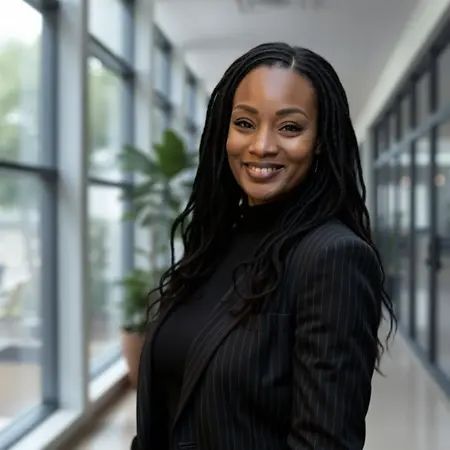
Dr. Nashay Lowe is a conflict transformation scholar-practitioner who approaches her work not just as a discipline, but as a lifelong practice shaped by curiosity, listening, and lived experience. She is dedicated to reimagining how we lead, relate, and resolve especially in moments of tension, difference, and change. As the founder of Lowe Insights Consulting and host of The Resolution Room podcast, she brings together scholarship, storytelling, and social impact to help individuals and organizations move from reaction to reflection, and from fragmentation toward understanding. She believes strong institutions and strong communities shape one another, and that meaningful change often begins with a single person choosing to engage differently.
Her work is grounded in a deep belief that dialogue, when practiced with intention, can shift not only conversations but cultures. Over time, she has come to see dialogue as both a personal compass and a professional tool: one that creates space for clarity, trust, and cross-cultural connection. This philosophy shapes her approach to leadership and organizational change, where she helps diverse teams build systems rooted in shared meaning, accountability, and humane communication.
Dr. Lowe has always been fascinated by the interconnected nature of the world. Accordingly, she holds a Ph.D. in International Conflict Management from Kennesaw State University and a Master’s in International Relations from Webster University. Her academic and professional journey spans across South Africa, Jordan, South Korea, Greece, Cuba, Switzerland, China, and Austria: experiences that deepened her understanding of how history, identity, and power shape the way people navigate conflict universally. Her work draws from fields including human rights, social justice, intergroup relations, allyship, and social movements, alongside applied expertise in consensus building, negotiation, and institutional leadership development.
Beyond credentials and frameworks, Dr. Lowe is deeply committed to fostering connection across difference. Through her podcast, public speaking, writing, and facilitation work, she invites people into honest, thoughtful conversations about communication, culture, and coexistence. She believes shared stories have the power to soften divides, surface understanding, and remind us of our shared humanity. At its core, her work is about helping people feel seen, heard, and equipped to grow (individually and collectively) through the very challenges that once felt like barriers.
• Twende Accelerator Graduate
• Social and Behavioral Responsible Conduct - CITI
• Humanities Responsible Conduct of Research - CITI
• Introduction to Scholarly Teaching Tier II - CETL at KSU
• UNA of USA Advocate Certificate
• Certificate of Service - Peace Corps
• Kennesaw State University - PhD in International Conflict Management
• Webster University - MA in International Relations
• Clark Atlanta University - BA in Mass Media Arts: Journalism
• International Studies Association (ISA)
• Executive Contributor, BRAINZ Magazine
• National Association of Certified Mediators (NACM)
• National Peace Corps Association (NPCA)
• English Mentor at Angloville Poland
• Peace Corps
• Galileo Summer Camps
• Hands-on Atlanta
What do you attribute your success to?
I attribute my success to a combination of persistence, curiosity, and the people who have walked alongside me. I’ve learned that progress rarely happens in isolation. Mentors, collaborators, friends, and family have all played a role in challenging my thinking, encouraging me through uncertainty, and reminding me of my purpose when the path felt unclear. Their belief in me paired with my own commitment to keep learning, refining, and showing up with intention has made it possible to grow through both setbacks and successes.
What’s the best career advice you’ve ever received?
The best career advice I’ve ever received is to stay humble and let go of perfectionism. Early on, I learned that striving to appear flawless can quietly limit growth. It can make you hesitant to take risks, slow to share ideas, or overly hard on yourself when things don’t go as planned. Letting go of that pressure created space for curiosity, experimentation, and learning in real time.
Humility has also taught me to stay open to feedback and to recognize that meaningful work is almost always collaborative. When you release the need to have all the answers, you become more willing to listen, adapt, and evolve. This mindset has helped me build stronger partnerships, navigate uncertainty with more ease, and stay grounded in purpose rather than performance. In the long run, it’s allowed my work to grow in depth and impact, even when the path forward hasn’t been perfectly defined.
What advice would you give to young women entering your industry?
I would encourage young women entering this field to trust both their intellect and their intuition. Your perspective matters, even when it doesn’t fit neatly into existing models or expectations. This work often asks you to sit with complexity, ambiguity, and emotion. Those are not weaknesses, but strengths when paired with rigor and care. Seek out mentors and collaborators who respect your voice, but also give yourself permission to grow in public and learn as you go. You don’t need to have everything figured out to contribute meaningfully. Stay curious, protect your values, and remember that impact is built over time through consistency, reflection, and relationships...not perfection.
What are the biggest challenges or opportunities in your field right now?
One of the biggest challenges in the field of conflict transformation and organizational development is shifting mindsets from reactive to proactive. Many institutions across the world still wait until tensions escalate before they pay attention, often treating symptoms rather than addressing root causes. That makes sustainable change harder, because it means leaders are constantly firefighting instead of building the cultural and relational infrastructure that prevents conflict from becoming disruptive in the first place.
At the same time, that challenge is also a tremendous opportunity. Organizations today are increasingly aware that traditional approaches aren’t enough that lasting success depends on emotional intelligence, inclusive dialogue, and systems that honor diverse perspectives. There’s a growing appetite for tools that help people engage in difficult conversations without sacrificing connection or clarity.
This moment invites practitioners, leaders, and communities to reimagine what healthy conflict engagement looks like...not as a problem to eliminate, but as a source of insight and evolution. For those willing to lean into curiosity, collaboration, and intentional design, the opportunity to make meaningful, lasting impact has never been greater.
What values are most important to you in your work and personal life?
The values that matter most to me both in my work and in my personal life, are integrity and honesty. For me, integrity means aligning my actions with my values even when it’s inconvenient or unseen, and being willing to take responsibility when I fall short. Honesty, in turn, is about telling the truth with care: naming what’s real while remaining respectful and humane. I try to approach every situation with transparency and accountability, not because it’s easy, but because trust is built through consistency over time. Whether I’m facilitating a conversation, leading a project, or navigating relationships in my own life, I believe meaningful connection depends on people feeling safe enough to be real. These values shape how I show up, how I collaborate, and how I define success...less as perfection, and more as integrity in action.

Milestone Moments
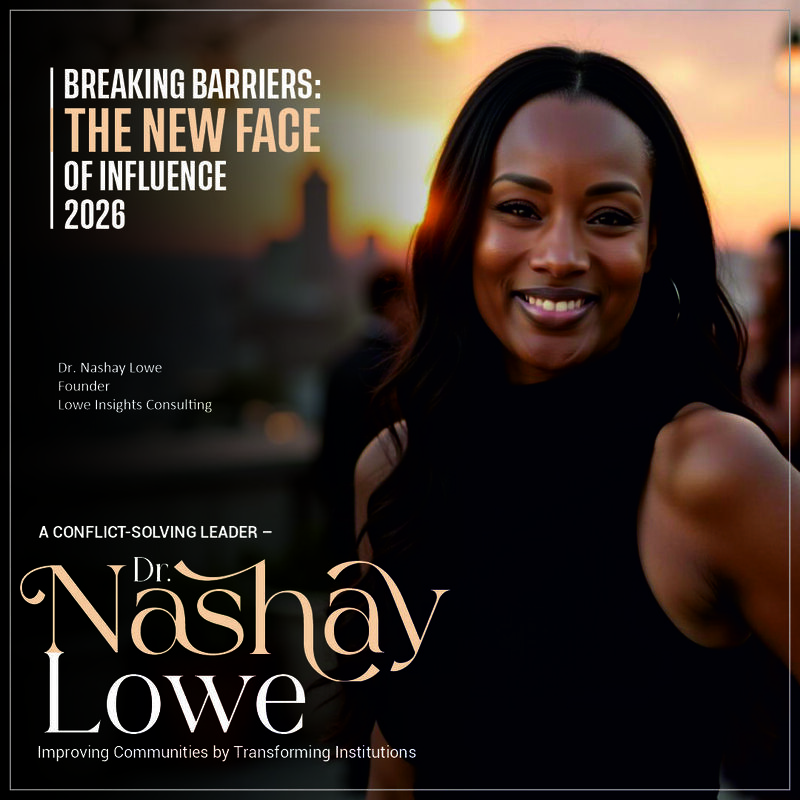
As someone who considers themselves a storyteller, it’s pretty cool when someone else wants to tell yours 🥰