Laura Montoya
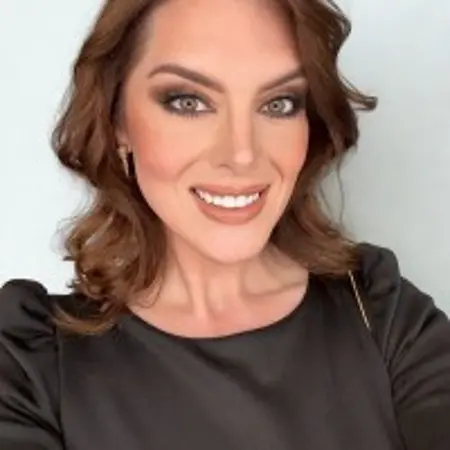
Laura M. is a humanitarian leader and co-founder of Invictus Global Response (IGR), where she serves as a Director, helping shape organizational strategy, governance, and mission execution in support of communities impacted by conflict and insecurity. With a background in emergency medical services and nonprofit leadership, she supports capacity-building initiatives including IMAS-aligned explosive ordnance disposal and mine action training, as well as humanitarian assistance projects focused on strengthening local resilience and long-term recovery.
Before co-founding IGR, Laura built her career in emergency medicine as an EMT with Medic West Ambulance, developing the calm, operational mindset required in high-pressure environments. Within IGR, she also serves as HR & Administrative Director, supporting organizational systems, personnel coordination, and mission readiness. Across her roles, Laura is known for practical problem-solving, accountability-driven leadership, and a commitment to building sustainable solutions that protect lives and empower local communities.
Laura’s service extends beyond the field into community advocacy and empowerment. She previously helped establish a free Women’s Urban Self Defense program in Las Vegas, reflecting her belief that safety, preparedness, and confidence should be accessible to all. Through her humanitarian work, Laura continues to advance locally led efforts that strengthen capability, restore stability, and help communities rebuild and move forward.
• Prevention of Sexual Exploitation and Abuse
• Address Your Unconscious Baises
• Arrest and Detention
• Code of Conduct
• Diversity and Inclusion
• Equity and Inclusion Lens
• How Criminals Select Their Victims
• Human Trafficking in Emergencies
• Professional Instructor Certificate
• Basic Ekg
• Certified Phlebotomy Technician
• Medical Assistant Certification
• Owens Community College- Associate's
• Guardian Elite Medical Services- E.M.T.
• Nevada Career Institute
• The Utah School of Phlebotomy
• Manatee Technical College
• Jacksonville State University
• National Technical Honors Society
• National Sheriffs' Association
• NCI Program Advisory Board
• Delta Zeta Sorority
• American Association of Medical Assistants
• American Coalition for Ukraine
• Ukrainian National Women's League of America
• CRI Counter Terrorism Training School
• Women's Warrior Summit 2018
• Invictus Global Response
• American Coalition for Ukraine
What do you attribute your success to?
A lot of who I am and how I lead comes from my family and how I was raised. My parents owned and operated their own businesses, so I grew up watching what it really takes to build something from the ground up—showing up every day, working hard, figuring it out as you go, and doing things the right way even when it’s difficult. That foundation, along with the constant support and values my family instilled in me, shaped my mindset long before I ever stepped into emergency medicine or humanitarian work.
I’m also a wife and a mom, and those roles keep me grounded and give me an even deeper sense of purpose. They’ve strengthened my commitment to doing work that protects people, supports families, and helps create safer futures. I’m grateful to have a circle of friends and mentors who are successful in their own right and who push me to stay focused, accountable, and ambitious. All of those influences continue to shape how I show up, how I serve, and why I stay committed to building work that creates real, lasting impact.
What’s the best career advice you’ve ever received?
One of the best pieces of career advice I’ve ever received was simple, but it changed everything for me: don’t undervalue yourself just because you don’t have a degree. My mom, Joan Rood, was the first person to tell me that—and she meant it. For a long time, I let that “missing box” in my background make me second-guess what I bring to the table, even though I’ve earned my experience through real work, real pressure, and real responsibility.
I’ve also been incredibly lucky to have mentors like my best friend, Danielle Morrison, who saw my potential before I fully did. She reminds me that confidence and credibility don’t come from a title—they come from showing up, staying consistent, and proving what you’re capable of. Her support helped me step into rooms I might have talked myself out of and own my voice without apologizing for the path I took to get here.
What advice would you give to young women entering your industry?
My advice to young women coming into this line of work is to walk in knowing you belong here, even before you feel “ready.” Confidence doesn’t show up first—you build it by doing the work, staying consistent, and refusing to quit when it gets uncomfortable.
Focus on becoming undeniable. Learn everything you can, take training seriously, ask the questions other people are too afraid to ask, and let your competence speak before your emotions ever do. Find people who will teach you, challenge you, and keep you safe—not people who just want to critique you from the sidelines.
And don’t trade your standards for approval. This industry can test your boundaries, your patience, and your self-worth. Protect your reputation, protect your integrity, and protect your peace. You can be humble and still be strong. You can be kind and still be firm. And you can lead without shrinking yourself to make other people comfortable.
What are the biggest challenges or opportunities in your field right now?
The biggest challenge in my field right now is sustainable fundraising. Humanitarian work doesn’t slow down when attention shifts, and consistent support is what keeps missions moving, teams trained, and communities served. Without reliable funding, even the best programs can’t scale, and urgent needs can outpace the resources available.
At the same time, that’s also the biggest opportunity. More people are paying attention to locally led, capacity-building solutions that create long-term impact instead of short-term relief. When donors invest in training, local expertise, and operational readiness, it doesn’t just fund a mission—it builds lasting capability that continues protecting lives long after the headlines fade.
What values are most important to you in your work and personal life?
The value that matters most to me in both my work and personal life is empathy. It shapes how I lead, how I listen, and how I show up for people—whether that’s in the middle of a high-pressure situation or in everyday moments at home. Empathy keeps me grounded and reminds me that behind every mission, every challenge, and every decision, there are real people carrying real weight.
For me, empathy isn’t just feeling for someone—it’s what I choose to do with what I’ve lived through. It’s taking the pains from the past and turning them into something greater—something that helps other people feel safer, seen, and supported. It means showing up with respect, moving with compassion, and letting my experiences shape me into someone who brings hope instead of bitterness. That’s the standard I try to live by, and it’s the reason I care so deeply about serving others in a way that protects dignity and builds trust.